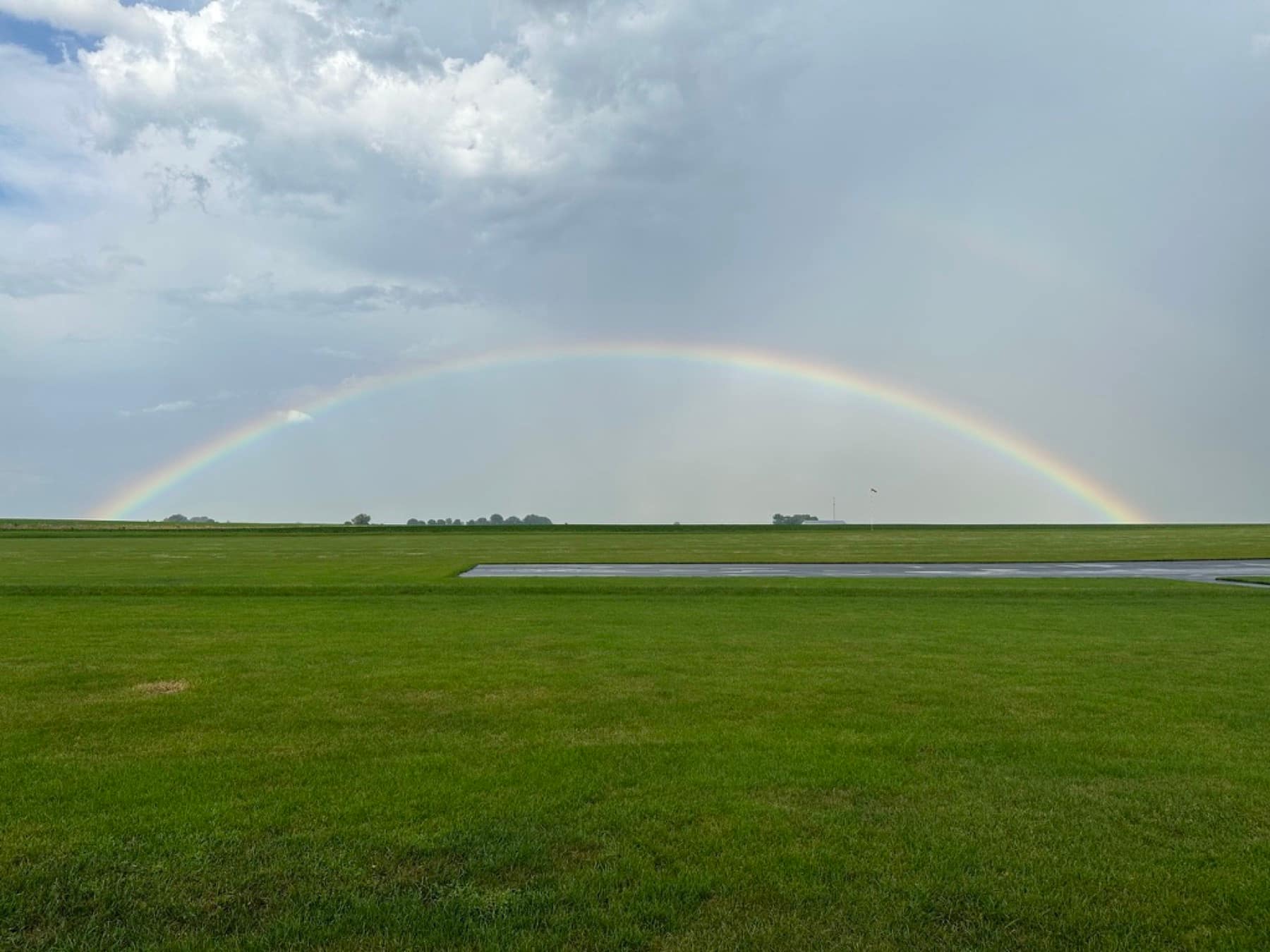
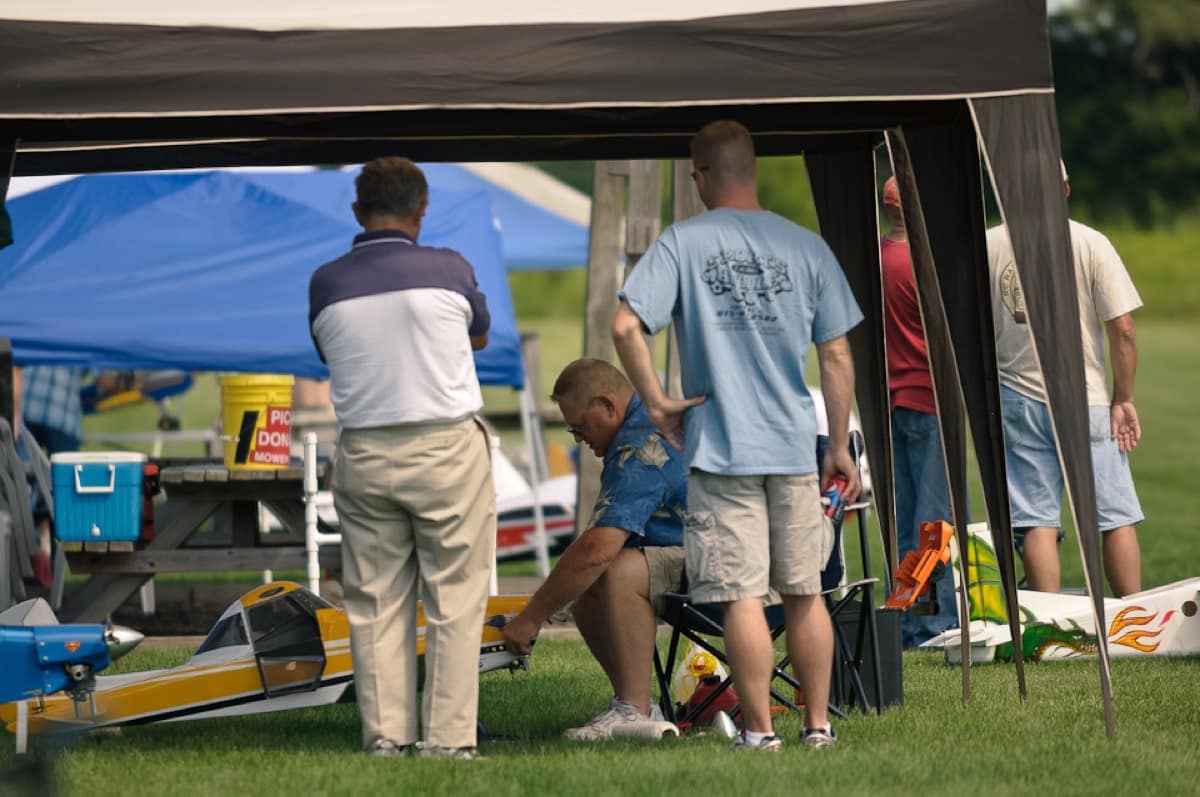
A members-only grass field where sport pilots, giant-scale builders, sailplane and heli flyers — and now RC car and truck drivers — share the same quiet stretch of ground.
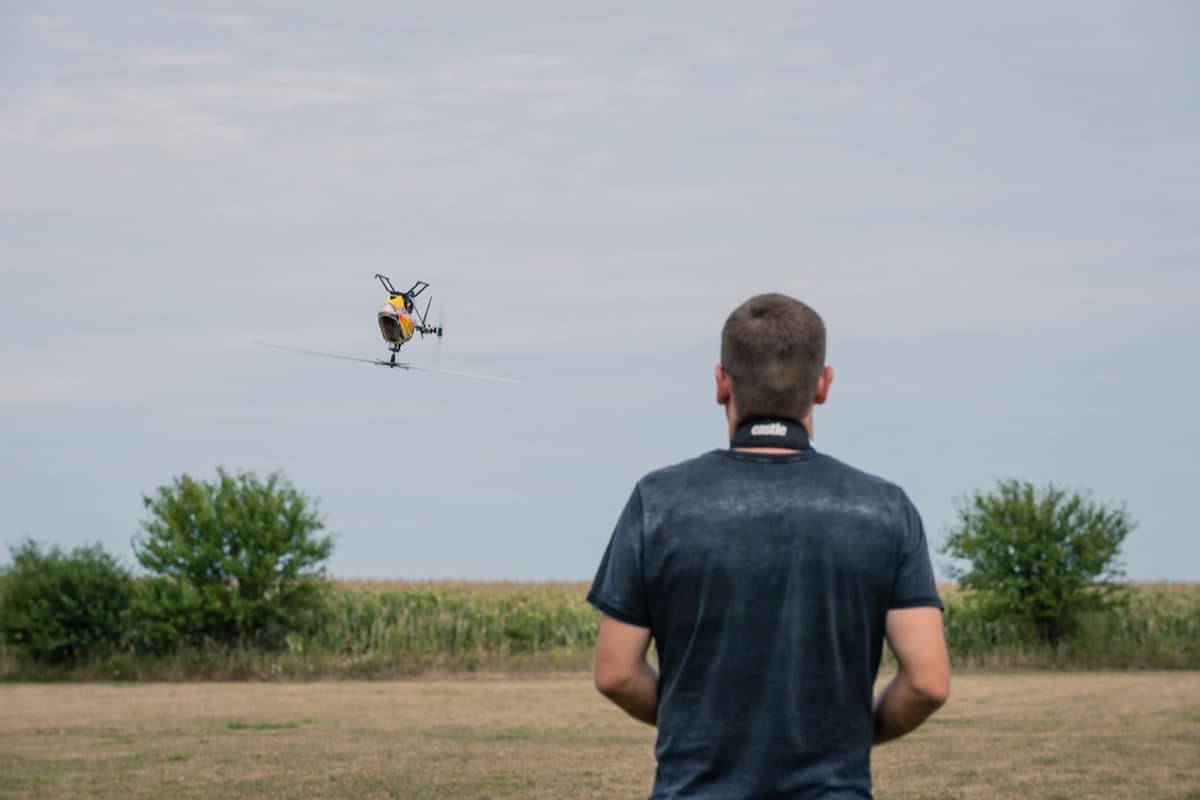
Our strip sits on private property, away from foot traffic and noise complaints — the kind of place you can trim out a new build, hover a heli at eye level, or just stand at the fence line and watch the pattern for an afternoon.
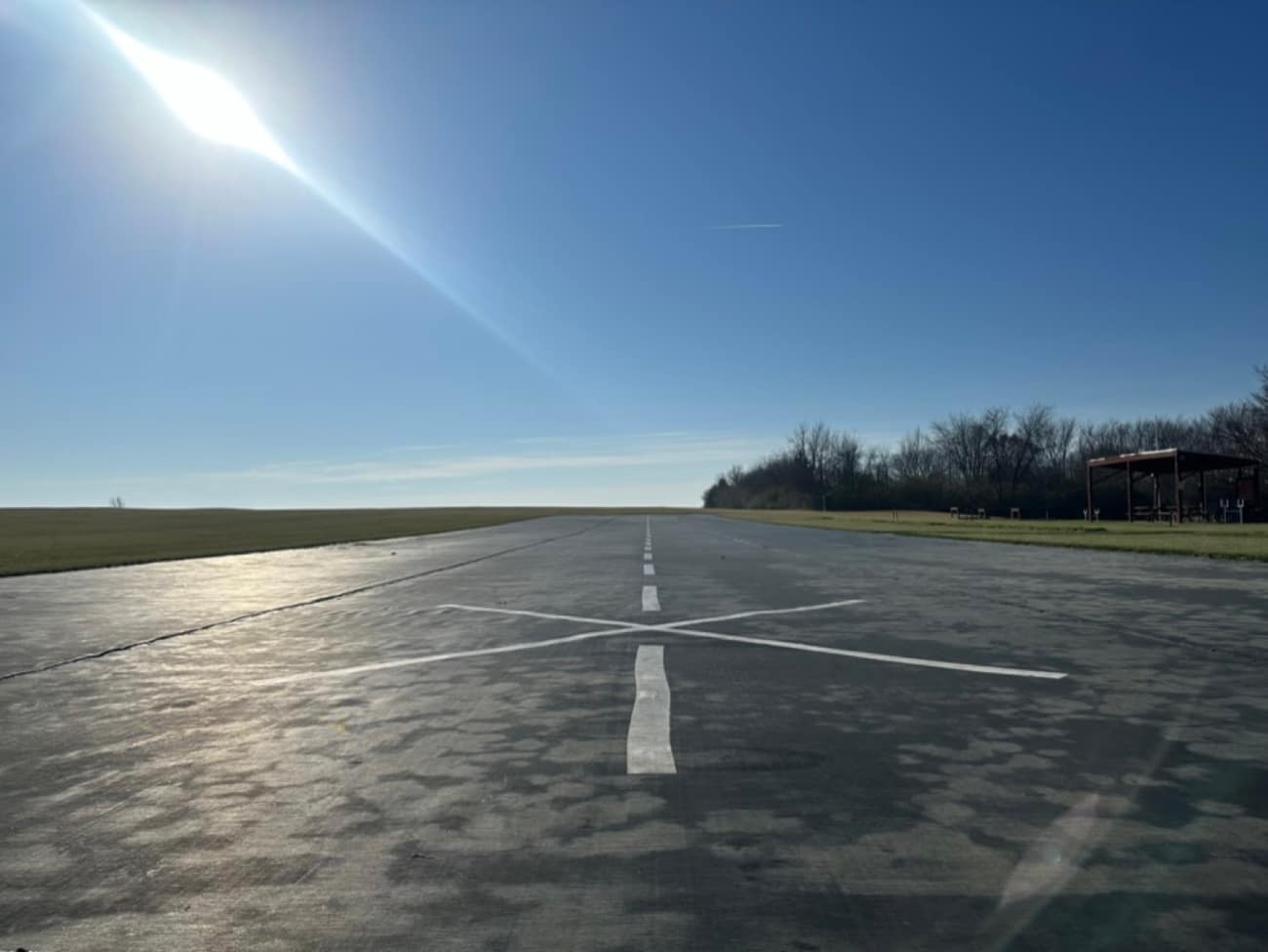
Take your pick of surface, too — a well-kept grass runway alongside a 300′×45′ cloth runway for crisp takeoffs and clean landings.
Our field is an FAA-Recognized Identification Area (FRIA) — an FAA-approved site, earned through the AMA, where you can fly without onboard Remote ID. Everything from a vintage warbird to a scratch-built foamie is legal to fly here, no add-on broadcast module required.
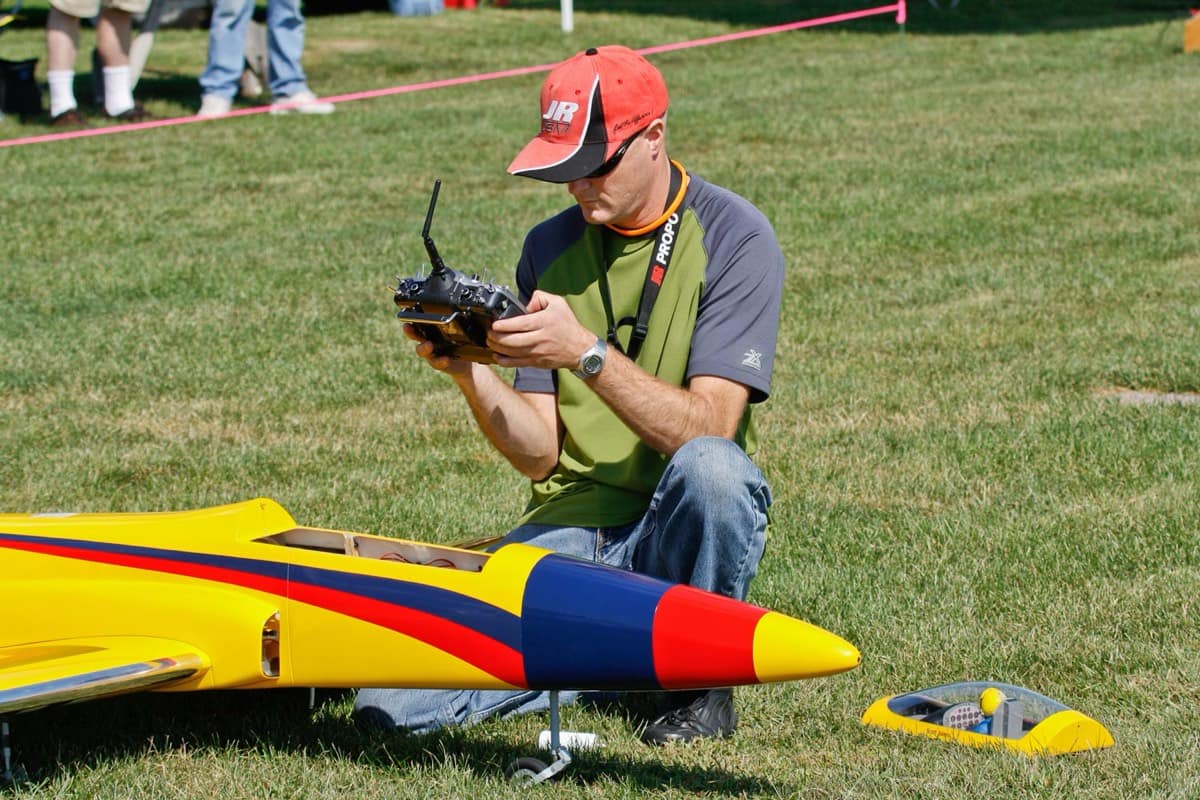
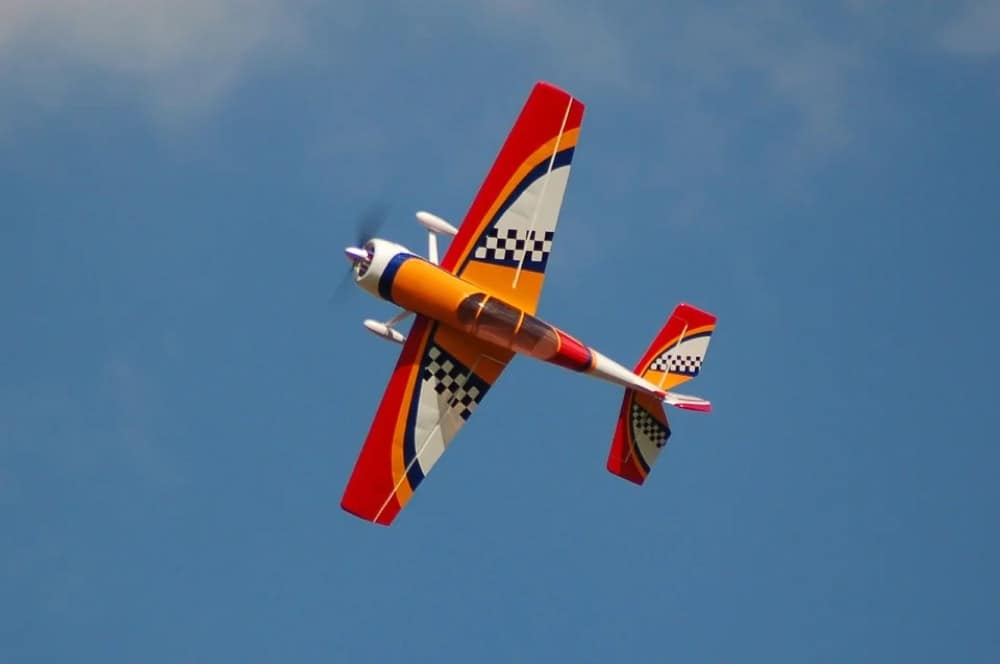
From ounces to eighty pounds, electric to glow to turbine — the field sees all of it, often in the same afternoon.
Most of our members started right where you are. The club keeps trainer planes and buddy-box systems on hand, so you can fly with an experienced member on the controls before you buy a thing — and instruction is free, one member helping another.
…then a quick proficiency check and the flight line is yours. Go at your own pace — kids and adults alike, year-round, including indoor winter sessions.
Our newest addition gives off-road drivers a home at the field alongside the flying line — same club, same property, same welcome.
Track access runs under the same rules as the airfield: current AMA membership is required to run, and every vehicle on course must be electric — no glow or gas. Cars and trucks are welcome up to 1/8 scale, and motorcycles up to 1/5 scale.
Modelers have flown together around Joliet since the 1940s, and seven of them made it official in October 1975 — chartering the Joliet Radio Control Club as we know it. Back then it wasn't radio control at all; the earliest flyers ran free flight, control line, and gas-powered tether models, and the group evolved under several names as the technology did.
Those founders wanted something simple: a place to fly safely and share what they knew. When RC arrived the club moved right with it — from reed radios to today's computer transmitters — welcoming sport flyers, giant-scale and scale builders, sailplanes, helicopters, electric and turbine aircraft, EDF jets, multirotors, and indoor flyers along the way.
The field has a story of its own. Over the decades the club flew from several sites around Joliet; when the Chicagoland Speedway rose on one of them, members didn't fold — they built the private flying site the club calls home today. The rhythm hasn't changed much: monthly meetings, new-pilot training, summer picnics, night flying, warbird events, heli days, and indoor winter sessions — and friendships measured in decades.
That's really the whole idea. Whatever you're into — foam park flyers, giant scale, EDF jets, helicopters, gliders, FPV, or scratch building from a box of sticks — someone here has done it, and is glad to help.
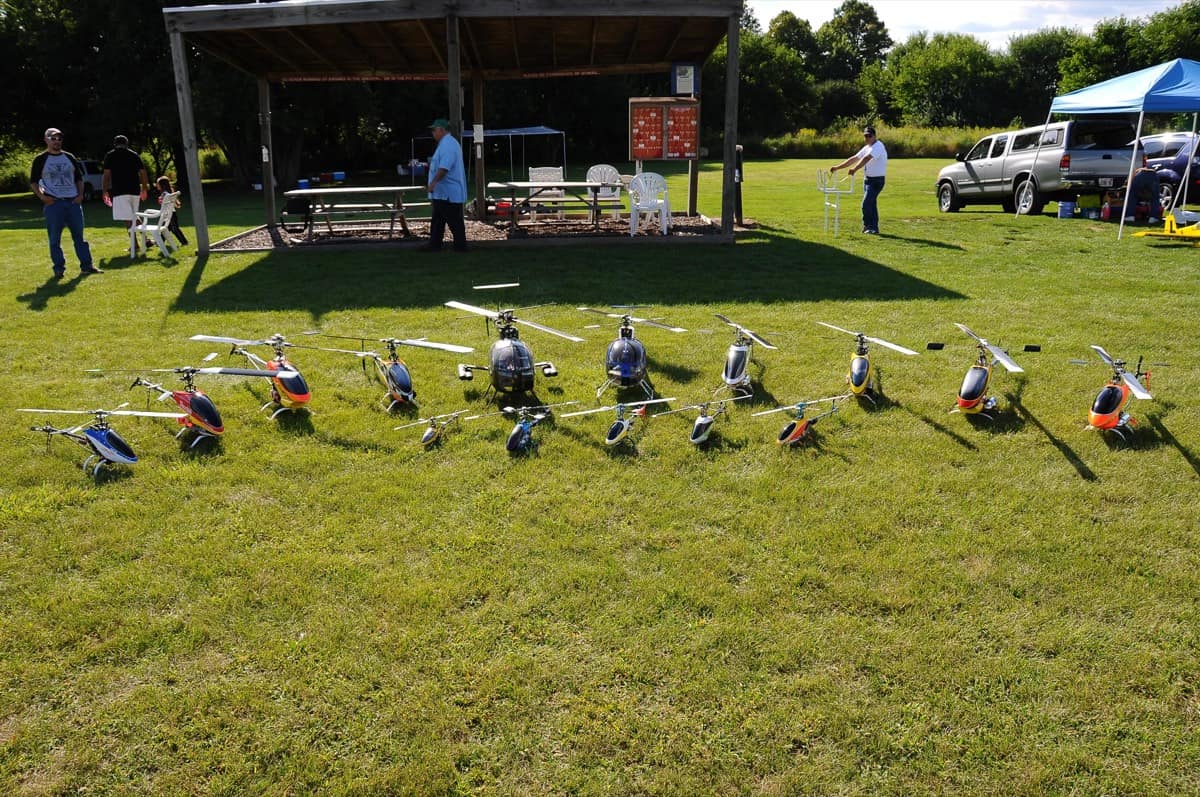
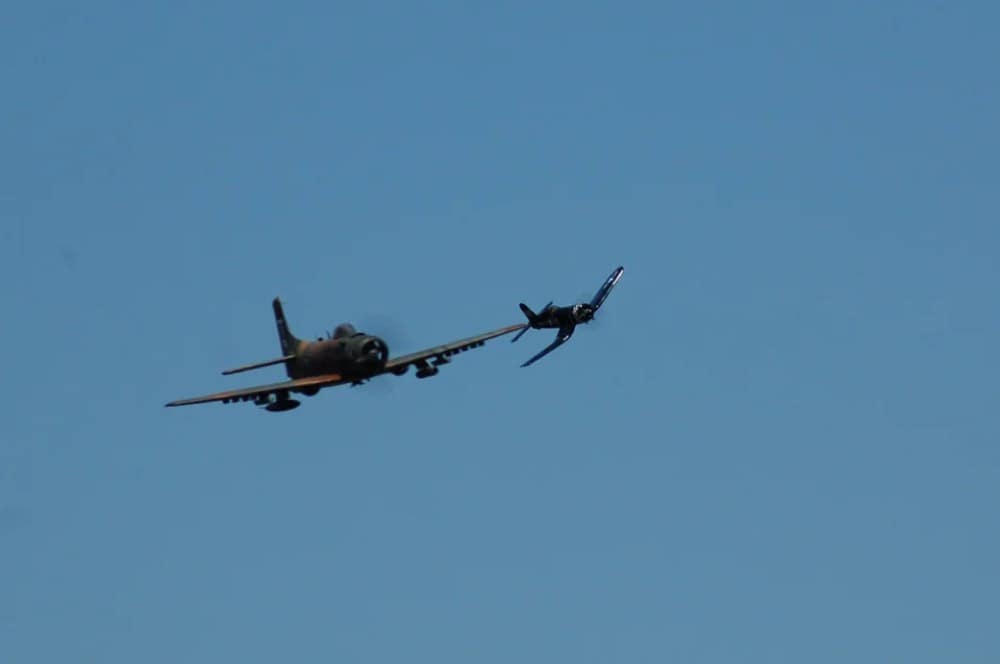
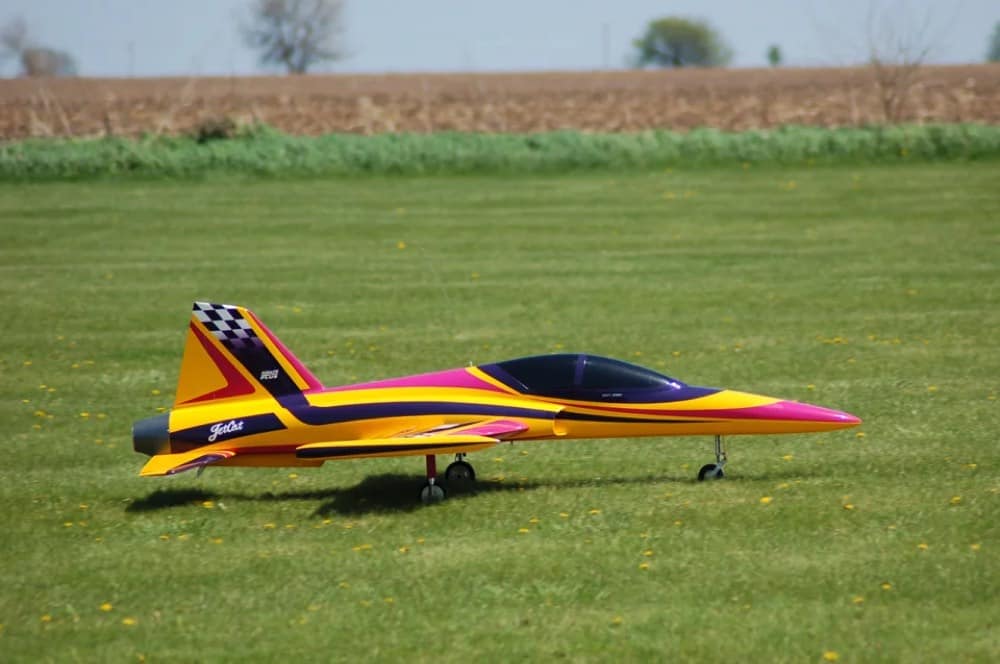
A few from the club's own archive — formation warbirds, a JetCat on the grass, and a lineup of helis waiting their turn.


Guests are welcome at every one of our events — come spectate, say hello, and see what the club's all about. We'd love to have you out.
Third Sunday, club business and hangar talk.
The club's signature summer event, out at the field.
Open to members whenever conditions allow.
It starts with a visit and ends at the flight line. Come meet us first, then most of the setup happens online — AMA membership, your account, and dues — and you'll finish with a quick flight check alongside a board member.
The best first step is to come see the place for yourself. Head out with a member who can sponsor you, or visit as a guest — join us at a club meeting or event, or contact us to schedule a time. We'd love to show you around.
Current AMA (Academy of Model Aeronautics) membership is required to fly or drive RC equipment at the field — it carries your liability insurance, so it's the first thing to line up. Enroll with the AMA and you'll get a membership number to add later.
After acquiring your AMA membership number, press Get Started below to create your Joliet Radio Control Club account — your home base for everything that follows. We'll email you a link to confirm your address; click it and you're ready to log in.
Fill in your details — contact info, your AMA number, and the flying and building you're into — and review and accept the club's liability waiver. It all lives on one page.
Pay your dues to activate your membership for the year. We keep it approachable with both adult and youth (18 and under) rates, and members' children are covered under the family membership at no extra dues.
Before flying on your own, you'll do a short proficiency check with an active board member — a quick demonstration that you can take off, fly the pattern, and land safely. Seasoned pilots usually just need a brief sign-off. Then grab your transmitter and come find us at the flight line.
New to the club or just curious? Here's what most people ask before they come out. Still stuck? Get in touch — we're happy to help.
Not at all — most members didn't when they started. The club keeps trainer planes and buddy-box systems on hand, so you can learn with an experienced member on the controls before spending a dime on your own gear. We'll pair you up for radio setup and time on the buddy box all the way to a first solo, at your own pace, then help you choose the right equipment when you're ready. More on learning to fly.
Current AMA membership is required — it carries your liability insurance — and everyone flies under the AMA National Model Aircraft Safety Code and applicable FAA rules. The short version: fly only in the designated area and within line of sight, stay behind the flight line and never over the pits or people, announce your intentions (“taking off,” “landing,” “on the runway”), and yield to any full-scale aircraft. Keep the pits safe — props and EDFs pointed away from people, batteries connected only in the pit area. Be courteous, keep it family-friendly, clean up after yourself, and no illegal activity. On the off-road track, power is electric only. New members get the full field rules when they join.
No hard minimum — young flyers are welcome on the buddy box alongside a parent or an experienced member. Youth 18 and under have their own membership rate, and members' children are covered under the family membership at no extra dues.
Yes — our field is an FAA-Recognized Identification Area (FRIA). In plain terms, you can fly here without fitting a Remote ID broadcast module to your aircraft, which is one of the real perks of an established AMA club field. (Remote ID rules still apply if you fly elsewhere, so it's worth understanding for off-site flying.)
Modern 2.4 GHz systems are the standard and always welcome, as are today's long-range 900 MHz systems — both manage their own frequencies, so there's nothing to coordinate. Legacy 72 MHz gear is rare these days, but it's still welcome — it just runs under the club's frequency-control system so two pilots never share a channel. Ask a member and we'll get you set up.
Please do. Come meet us at a club meeting or event, or reach out to set up a time. Guests can fly or drive on a day pass with current AMA coverage and a signed waiver — a quick read-through of the field and safety rules — alongside a member. It's the best way to see if the club's a fit before joining.
Just about anything RC — foam park flyers, giant scale, warbirds, sailplanes, helicopters, turbines and EDF jets, and FPV. On the off-road track: electric cars and trucks up to 1/8 scale and motorcycles up to 1/5 scale.
We're on private ground in Joliet, just southeast of the Chicagoland Speedway, behind a locked gate — so it's not a drop-in. The best way to see it is to come out to one of our events, or reach out and we'll share directions. Once you join, you'll get your own gate access.
Membership is billed annually, and members' kids are covered under the family membership at no extra dues:
Rates shown are for cash or Zelle; paying by card is a little higher. The full walkthrough — from your AMA number to your first flight check — is in How to join.
The local shops that keep our flight line — and our workbenches — well stocked. Stop in and tell them the club sent you.
Run a shop and want to support the club? Get in touch.